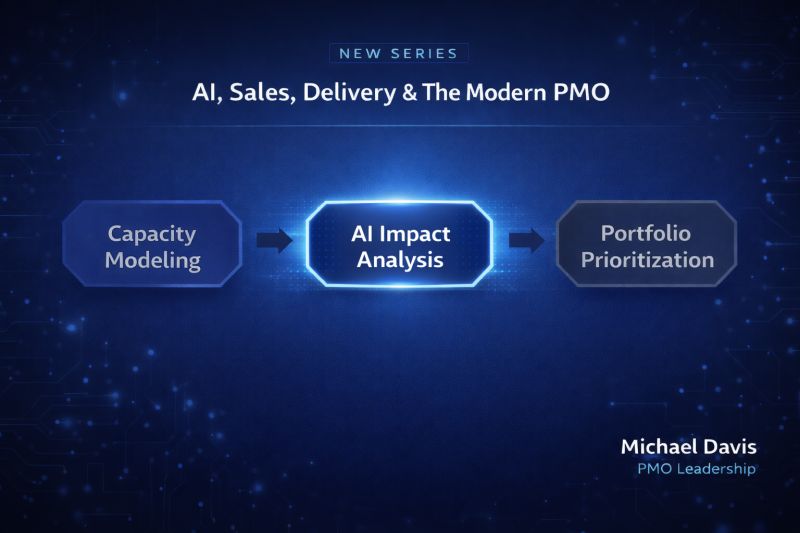
AI can model pipeline scenarios, forecast skill bottlenecks, and highlight margin compression risk. However, the harder truth is that most organizations do not have a modeling problem. They have a prioritization problem.
In many delivery organizations, everything feels urgent, strategic, and like a must win. When capacity modeling exposes constraints, leadership must still make decisions. Something moves, something slows, and something waits.
Capacity clarity without prioritization does not solve the problem.
When Everything Is a Priority
When organizations lack prioritization discipline, common challenges emerge:
- Overloaded teams
- Conflicting initiatives
- Reduced delivery predictability
- Margin pressure
- Frequent reprioritization
Even with strong capacity visibility, these challenges remain until priorities are clarified.
Where AI Can Help
AI can support prioritization by providing objective insights and scenario modeling. This helps shift conversations from opinion to data driven decision making.
AI can assist by:
- Ranking initiatives by margin impact
- Surfacing portfolio overlap and redundancy
- Identifying low value efforts consuming high skill capacity
- Modeling the effects of project delays or declines
- Quantifying tradeoffs instead of debating opinions
These insights support intentional portfolio decisions.
The Role of a Mature PMO
This is where the PMO matures. Not by tracking everything, but by helping leadership make intentional portfolio decisions.
Strong PMOs:
- Provide capacity visibility
- Support prioritization discussions
- Highlight tradeoffs
- Guide leadership decision making
This moves the PMO from reporting to strategic enablement.
Capacity Visibility Is Only Step One
Capacity visibility helps organizations understand constraints. Prioritization determines how those constraints are managed.
Step one: Capacity visibility
Step two: Portfolio discipline
Both are required for predictable delivery.
Practical Actions to Improve Capacity Based Prioritization
Here are simple ways to turn capacity visibility into better portfolio decisions:
1. Define Clear Prioritization Criteria
Do not treat every initiative as equally important. Establish criteria such as strategic value, revenue impact, customer commitment, risk exposure, regulatory importance, and resource intensity before prioritization discussions begin.
2. Use AI to Compare Tradeoffs
Leverage AI to model different portfolio scenarios and show the likely effects of delaying, accelerating, or declining work. This helps leadership evaluate tradeoffs more objectively.
3. Identify Work That Consumes Capacity Without Enough Value
Use portfolio review and AI analysis to surface initiatives that require scarce skills, create delivery drag, or add complexity without enough strategic or financial return.
4. Review Priorities at the Portfolio Level
Do not make prioritization decisions one project at a time in isolation. Step back and evaluate the full portfolio so leadership can see overlap, conflict, and cumulative demand on teams.
5. Make Prioritization a Leadership Discipline
Capacity data supports the conversation, but leadership still has to decide what moves forward, what slows down, and what stops. Build regular review points where those decisions are made intentionally.
Final Thought
Capacity clarity without prioritization leads to continued overload and reactive execution.
When organizations combine capacity visibility with disciplined prioritization:
- Focus improves
- Delivery becomes more predictable
- Margin pressure decreases
- Teams operate more effectively
If your organization had to reduce 15 percent of active initiatives tomorrow, would you know where to start?
If you have questions or would like to discuss this topic further, feel free to get in touch.