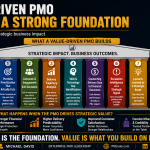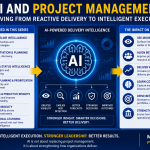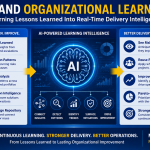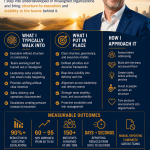
Governance is not the enemy of value delivery. It is the foundation. Here is what you build on top of it. PMO leaders are being asked to do something bigger than the function was originally designed for. The conversation is Read More …
Guidance on leading organizational transformation and large-scale change initiatives. Topics include strategy alignment, change management, operational improvement, and enterprise transformation leadership.
Governance is not the enemy of value delivery. It is the foundation. Here is what you build on top of it. PMO leaders are being asked to do something bigger than the function was originally designed for. The conversation is Read More …
Artificial intelligence is rapidly becoming one of the most discussed topics in project management. Unfortunately, much of the conversation still focuses on surface-level productivity improvements instead of operational transformation. AI is often reduced to: Those capabilities are useful. But they Read More …
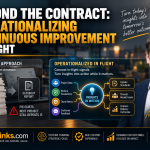
Most organizations capture lessons learned after a project is complete. By then, the opportunity to prevent similar problems elsewhere may already be gone. Lessons learned often become archived documentation instead of operational intelligence that actively improves delivery performance across the Read More …
These are not isolated issues. They are symptoms of a broader execution gap. My focus is not just on introducing process. It is on creating clarity and alignment across how work gets done. That includes: When these elements are in Read More …
Status reporting is one of the most time-consuming activities in project delivery. Project managers, program managers, and PMO leaders spend hours every week gathering inputs, interpreting data, and crafting updates that are often outdated before they reach the people who Read More …
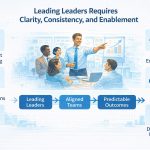
When leaders receive 𝗺𝗶𝘅𝗲𝗱 𝗺𝗲𝘀𝘀𝗮𝗴𝗲𝘀, 𝘀𝗵𝗶𝗳𝘁𝗶𝗻𝗴 𝗲𝘅𝗽𝗲𝗰𝘁𝗮𝘁𝗶𝗼𝗻𝘀, or 𝘂𝗻𝗰𝗹𝗲𝗮𝗿 𝗽𝗿𝗶𝗼𝗿𝗶𝘁𝗶𝗲𝘀, the damage does not stay contained. It spreads fast and 𝗱𝗲𝗹𝗶𝘃𝗲𝗿𝘆 𝘀𝘂𝗳𝗳𝗲𝗿𝘀 at every level below them. Leading leaders requires a different approach entirely. Leaders do not just need direction. Read More …
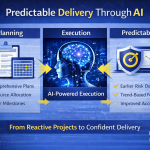
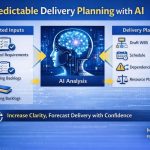
Once discovery and requirements take shape, teams transition into planning. This is where projects move from ideas to execution. Planning typically involves: However, planning often begins with fragmented context and manual interpretation. This can lead to unrealistic timelines, missed dependencies, Read More …
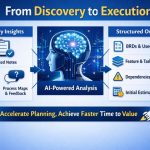
Discovery sessions generate valuable insights. However, too often that information remains buried in notes, recordings, and scattered documents. This is where delivery momentum can stall. Teams complete discovery, but then spend time manually translating outcomes into requirements, backlog items, and Read More …
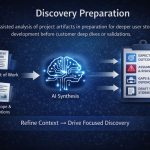
Discovery is often viewed as the first phase of a project. In reality, discovery should begin well before the first session. By the time a project reaches discovery, a significant amount of information already exists: Despite this, many teams approach Read More …
Most projects do not fail at kickoff. They struggle before kickoff ever happens. The transition from sales to delivery is often informal. A quick call, a forwarded SOW, and a few assumptions carried forward without validation. The delivery team is Read More …