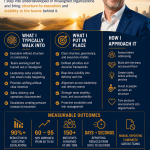
These are not isolated issues. They are symptoms of a broader execution gap. My focus is not just on introducing process. It is on creating clarity and alignment across how work gets done. That includes: When these elements are in Read More …
These are not isolated issues. They are symptoms of a broader execution gap. My focus is not just on introducing process. It is on creating clarity and alignment across how work gets done. That includes: When these elements are in Read More …
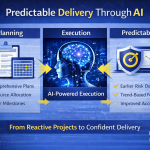
Status reporting is one of the most time-consuming activities in project delivery. Project managers, program managers, and PMO leaders spend hours every week gathering inputs, interpreting data, and crafting updates that are often outdated before they reach the people who Read More …

Leadership isn’t just about delivery. It’s about developing people. Twenty-five years in program management. The last ten in senior leadership roles. What that experience really teaches you is that outcomes are only as strong as the people behind them. That Read More …
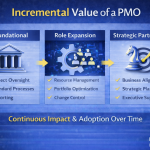
Delivery organizations manage more than individual projects. They manage portfolios, and the health of a portfolio determines whether the organization is delivering on its commitments or just staying busy. Portfolio management typically involves: When portfolio visibility is weak, organizations make Read More …
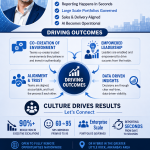
Most PMO transformations focus on process. The ones that stick, focus on people first. My approach is simple. Assess before you address, then build, adopt, or improve from there. So what actually happens when I step into an organization? Escalations Read More …

Delivery organizations run on people. Getting the right resources aligned to the right work at the right time is one of the most operationally demanding challenges a PMO faces. Workforce planning typically involves: When workforce planning is reactive, organizations lose Read More …
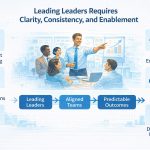
When leaders receive 𝗺𝗶𝘅𝗲𝗱 𝗺𝗲𝘀𝘀𝗮𝗴𝗲𝘀, 𝘀𝗵𝗶𝗳𝘁𝗶𝗻𝗴 𝗲𝘅𝗽𝗲𝗰𝘁𝗮𝘁𝗶𝗼𝗻𝘀, or 𝘂𝗻𝗰𝗹𝗲𝗮𝗿 𝗽𝗿𝗶𝗼𝗿𝗶𝘁𝗶𝗲𝘀, the damage does not stay contained. It spreads fast and 𝗱𝗲𝗹𝗶𝘃𝗲𝗿𝘆 𝘀𝘂𝗳𝗳𝗲𝗿𝘀 at every level below them. Leading leaders requires a different approach entirely. Leaders do not just need direction. Read More …

Once planning is complete, projects move into execution. This is where delivery performance begins to take shape. Execution typically involves: However, execution often becomes reactive instead of proactive. Risks surface late, dependencies are discovered mid delivery, and timelines begin to Read More …

Once discovery and requirements take shape, teams transition into planning. This is where projects move from ideas to execution. Planning typically involves: However, planning often begins with fragmented context and manual interpretation. This can lead to unrealistic timelines, missed dependencies, Read More …

Discovery sessions generate valuable insights. However, too often that information remains buried in notes, recordings, and scattered documents. This is where delivery momentum can stall. Teams complete discovery, but then spend time manually translating outcomes into requirements, backlog items, and Read More …